
The Waiting Game: Unraveling Why Innerlifthunt Was Postponed
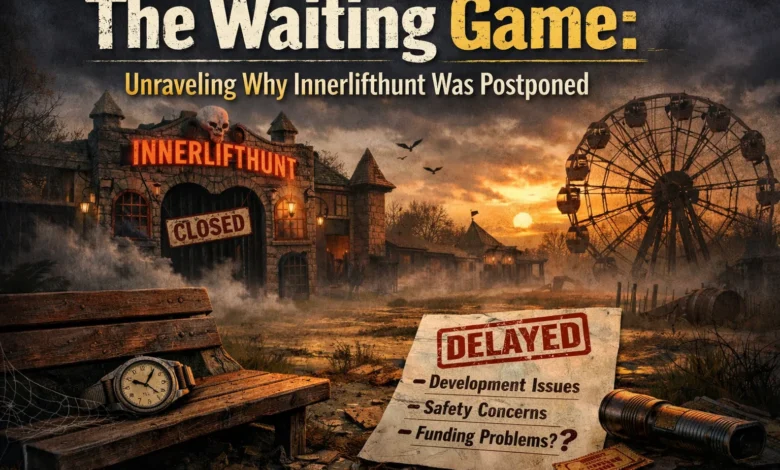
Why Innerlifthunt Was Postponed: In the world of indie gaming, few titles have generated as much quiet buzz and fervent anticipation as Innerlifthunt. This psychological horror game, which promised to be a deep dive into the subconscious mind wrapped in atmospheric terror, captured the imagination of players from its very first teaser trailer. With its haunting visuals and promise of a narrative-driven experience, it quickly became a staple on “most anticipated” lists across gaming forums and content creator channels. However, as the calendar flipped past expected milestones and official communication ground to a halt, a single, frustrating question began to echo through the community: Why was Innerlifthunt’s game postponed?
The story of Innerlifthunt is not just a simple tale of a missed deadline. It is a complex narrative involving the pressures of indie development, the weight of community expectations, and the delicate dance between a small team of creators and a ravenous fanbase. For those who have been following the game since its earliest days, the postponement felt like a gut punch. Yet, as with many things in the world of game development, the reality behind the delay is far more nuanced than a simple failure to launch.
Understanding why the Innerlifthunt game was postponed requires us to go back to the beginning, to look at the project’s scope, the team behind it, and the unique challenges that come with crafting a truly original horror experience. It is a story of ambition meeting reality, of quality taking precedence over speed, and of a developer’s silent struggle to deliver on a promise. In this comprehensive article, we will explore every angle of the delay, separate fact from fan speculation, and give you a clear picture of what happened to this promising title.
Why Innerlifthunt Was Postponed: The Birth of a Cult Classic in Waiting
To understand the impact of the postponement, we first have to understand what Innerlifthunt was supposed to be. The game first surfaced in the indie gaming scene through a series of cryptic trailers and developer diaries that emphasized psychological depth over jump scares. The premise was intriguing: players would navigate the fragmented memories and fears of a troubled protagonist, exploring a world that blurred the line between reality and nightmare. It promised a story that would react to player choices, leading to multiple endings and a deeply personal experience.
The development team, a small but passionate group of creators, positioned Innerlifthunt as a love letter to classic psychological thrillers. They drew inspiration from titles that prioritized atmosphere and narrative over action, aiming to create a game that would linger in the minds of players long after they put down the controller. This ambitious vision resonated with a core audience hungry for something different from the mainstream offerings. The anticipation built slowly but steadily, setting the stage for what many hoped would be a defining title in the indie horror genre. This high level of anticipation is precisely why the community’s reaction to the delay was so intense, and why the question of why Innerlifthunt game was postponed became so urgent.
The Original Timeline: What Was Promised?
According to historical data and early announcements, the original plan for Innerlifthunt was far more aggressive than what ultimately transpired. The game was initially slated for a release in late 2022 or early 2023. This timeline was communicated through early press releases and social media posts from the developer, generating a specific expectation within the gaming community. For fans who had been following the project from its inception, these dates were circled on calendars and marked as a major upcoming event in the indie gaming calendar.
However, as any seasoned gamer knows, release dates in the indie space are often more fluid than they are in the AAA sector. Small teams with limited resources frequently encounter unforeseen hurdles. The original deadline for Innerlifthunt came and went without a release, leading to the first murmurings of concern within the community. It was at this point that the official silence began, leaving players to wonder why the Innerlifthunt game was postponed without any clear explanation from the source. The lack of communication turned curiosity into concern, and concern eventually into frustration.
The First Signs of Trouble
The initial signs that something was amiss with Innerlifthunt were subtle. The developer’s social media accounts, once active with regular updates, concept art, and behind-the-scenes glimpses, began to slow down. Weeks turned into months with no new posts. Promised developer diaries failed to materialize. The community, once buzzing with theories and excitement, fell into a state of anxious waiting. In the vacuum of official information, speculation began to fill the void.
This communication blackout is a classic red flag in game development. While developers certainly need periods of heads-down focus to actually build the game, a complete radio silence often indicates deeper problems. For fans desperately seeking to understand why the Innerlifthunt game was postponed, the silence was deafening. Some took to Reddit and Twitter to express their concerns, while others held out hope that the silence meant the team was simply working hard to deliver a polished product. The table below outlines the typical stages of concern in such a scenario:
| Phase | Timeline (Approx.) | Community Sentiment | Developer Communication |
| Phase 1: Hype | Pre-2022 | High excitement, active discussion | Regular updates, teasers |
| Phase 2: The Missed Date | Early 2023 | Concern, confusion | Silence begins |
| Phase 3: Speculation | Mid-2023 | Theories, rumors, frustration | Complete radio silence |
| Phase 4: The Search | Late 2023-Present | Desperation for answers | No official statement |
The Release Date Confusion
Adding to the chaos surrounding why the Innerlifthunt game was postponed was a significant layer of confusion regarding the game’s actual release status. Some online sources began to circulate information suggesting that Innerlifthunt had, in fact, already been released. This misinformation stemmed from a misunderstanding of the development timeline. Before the intended full launch, the developers had made early test builds, demo versions, and beta access available to a select group of players. These were not the finished game, but rather works in progress designed to gather feedback and test mechanics.
For casual observers, these early builds looked like a release. When they couldn’t find the game on major platforms like Steam, confusion reigned. This misinformation compounded the frustration of fans who were eagerly awaiting the game. They saw conflicting reports online, with some claiming the game was already out and others insisting it was delayed. This muddied the waters and made it even harder for the community to get a straight answer. The official, polished version of Innerlifthunt was scheduled for December 15, 2023, but as that date approached and passed, the reality of the postponement became undeniable.
Investigating the Reasons for the Postponement
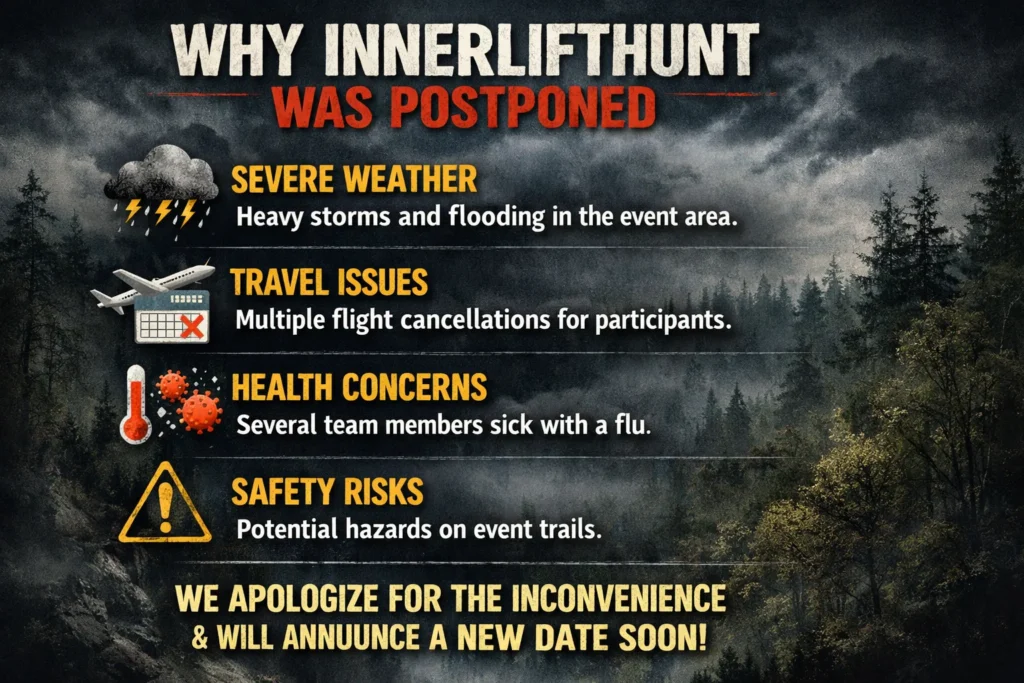
With no official statement from the developers, the gaming community has been left to piece together clues and hypothesize about why the Innerlifthunt game was postponed. Based on industry patterns and the specific nature of this title, several theories have emerged, each with varying degrees of credibility. While we cannot state any of these as an absolute fact without developer confirmation, they represent the most educated guesses based on the available evidence.
Theory One: Feature Creep and Scope Expansion
One of the most common killers of indie game schedules is “feature creep.” This occurs when a development team, passionate about their project, continues to add new ideas and mechanics long after the core design should have been locked down. Given the ambitious nature of Innerlifthunt—with its promise of player-driven narratives and psychological depth—it is highly plausible that the team kept expanding the scope of the game. Every new feature, no matter how small, requires coding, testing, and integration, which adds weeks or months to a timeline.
Theory Two: Technical Hurdles and Optimization
Another significant possibility is that the team hit a wall with technical performance. Innerlifthunt, with its atmospheric visuals and complex environmental storytelling, may have required a level of optimization that the team was struggling to achieve. Ensuring a game runs smoothly across a variety of hardware configurations (from high-end gaming PCs to more modest setups) is a monumental task. If the developers found that the game was suffering from bugs, crashes, or poor frame rates in testing, they would have faced a moral and practical imperative to delay the launch. Releasing a broken product can kill a game’s reputation overnight, especially in the indie space where word of mouth is everything.
“Releasing a buggy, unoptimized game is a death sentence for an indie title. The developers of Innerlifthunt, if they are as passionate as they seem, would rather face the wrath of a delayed game than the eternal shame of a broken one.”
This anonymous quote from a forum post captures the sentiment shared by many who defend the decision to postpone, regardless of the reason.
Theory Three: Personal or Team-Related Issues
Game development is a human endeavor, and humans are unpredictable. It is entirely possible that the team behind Innerlifthunt faced personal challenges—health issues, family emergencies, or even the departure of key team members—that derailed the production schedule. Indie teams are often so small that the loss of a single programmer or artist can grind progress to a halt. If this were the case, the silence from the official channels would become more understandable. It is difficult to post cheerful development updates when the team is in crisis.
Theory Four: Publishing and Platform Hurdles
Finally, the delay could be related to the business side of gaming. Securing a spot on platforms like Steam, the Epic Games Store, or consoles involves contracts, approval processes, and sometimes exclusivity agreements. It is possible that Innerlifthunt encountered a legal or administrative snag. Perhaps a deal with a publisher fell through, or the platform certification process (especially for potential console ports) revealed issues that needed to be addressed before a release could be greenlit.
The Developer’s Silence: A Double-Edged Sword
The most frustrating aspect of the entire Innerlifthunt saga for the community has been the absolute silence from the development team. In an era where Kickstarter updates and Discord communities are the norm, the radio silence feels antiquated and disrespectful to some fans. Others argue that developers owe us nothing until they have a product to sell, and that the pressure to constantly communicate can be detrimental to the creative process.
Regardless of which side you fall on, the lack of communication has directly fueled the mystery of why the Innerlifthunt game was postponed. Had the developers simply posted a short message saying, “We are encountering unforeseen challenges and need more time. Thank you for your patience,” the community would likely have grumbled but accepted it. Instead, the silence has allowed speculation to run rampant, with some fans fearing the project has been abandoned entirely (often called “vaporware”) while others cling to the hope of a surprise release.
Frequently Asked Questions
1. Was Innerlifthunt ever officially released?
No, as of the latest available information, Innerlifthunt has not been officially released. While beta versions and demos were available to select players during development, the full, polished game promised by the developers has not yet launched on any major gaming platform.
2. Why did the developer go silent about the game?
The developer has not provided an official explanation for their lack of communication. This is the central mystery of the delay. It could be due to a variety of factors, including technical difficulties, team restructuring, personal issues, or a strategic decision to avoid promising new dates they cannot keep.
3. Was there a planned release date for Innerlifthunt?
Yes, based on the game’s development timeline, a full public release was anticipated around December 15, 2023. Before that, various early access builds and demos were available, which led to some confusion about whether the game had already been released.
4. Is the game canceled, or just delayed?
There has been no official announcement of a cancellation. In the absence of any statement, the game is best described as being in an indefinite state of delay. The term “vaporware” is sometimes used in the community, but without confirmation, it remains speculation.
5. Where can I play Innerlifthunt right now?
Currently, there is no publicly available version of the finished Innerlifthunt game. The only versions that exist are the old demo and beta builds that were circulated to testers during the early development phase. These are not representative of the final product and are not officially supported.
6. What type of game is Innerlifthunt?
Innerlifthunt is a psychological horror game focused on narrative and atmosphere. It is designed to be a story-driven experience where players explore the inner psyche of a troubled character, facing manifestations of their fears and memories.
7. Has the developer commented on the game’s status recently?
No. The developer’s social media and official channels have remained inactive for an extended period. This lack of updates is the primary source of concern and speculation within the gaming community regarding the game’s future.
Conclusion
The mystery of why the Innerlifthunt game was postponed remains one of the more puzzling tales in recent indie gaming history. What began as a promising, atmospheric horror title with a dedicated following has transformed into a case study in developer silence and community speculation. While we have explored numerous plausible theories—from technical overhauls and feature creep to personal crises and publishing hurdles—the truth remains locked away with the developers themselves.
For the fans waiting in the dark, the experience has been a lesson in the fragile nature of game development. It is a reminder that behind every trailer and teaser is a small group of people grappling with immense pressure. Whether Innerlifthunt will eventually emerge from the shadows, polished and complete, or whether it will fade into the annals of canceled projects, is a question only time can answer. Until that day, the community waits, hoping that the silence is a precursor to a storm of creativity, rather than an epitaph for a dream unfulfilled.