
Semana Santa 2025: A Complete Guide to Holy Week Traditions, Meaning, Celebrations, and Travel Experiences
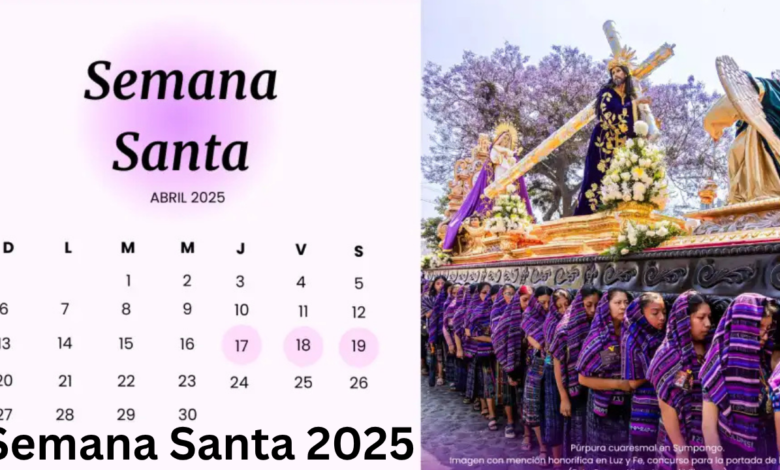
Semana Santa 2025 is one of the most anticipated religious observances for millions of Christians across the globe. Known in English as Holy Week, this sacred period commemorates the final days of Jesus Christ’s life, His crucifixion, and His resurrection on Easter Sunday. More than a religious event, Semana Santa is a cultural celebration deeply rooted in history, faith, tradition, and community.


Every year, cities and towns throughout Spain, Latin America, the Philippines, and many other countries come alive with solemn processions, elaborate ceremonies, sacred music, and centuries-old customs. For believers, Semana Santa represents a time of reflection, prayer, and spiritual renewal. For travelers, it offers an extraordinary opportunity to witness some of the world’s most impressive religious and cultural events.
The significance of Semana Santa extends far beyond church services. Families gather together, communities organize large-scale processions, and local traditions showcase unique interpretations of Holy Week. Whether you are interested in its religious meaning, historical background, cultural importance, or travel opportunities, understanding Semana Santa 2025 provides valuable insight into one of Christianity’s most important observances.
As interest in faith-based tourism continues to grow, many travelers are already planning their journeys around Semana Santa celebrations. Hotels, restaurants, and local attractions often experience increased demand during this period, making early preparation essential for those wishing to participate in the festivities.
Semana Santa 2025 Dates and Calendar
One of the most common questions people ask concerns the exact dates of Semana Santa 2025. Since Easter follows a movable calendar based on the lunar cycle, Holy Week dates change every year.
The primary celebrations of Semana Santa 2025 occur during the week leading up to Easter Sunday. Palm Sunday marks the beginning of Holy Week, while Easter Sunday celebrates the resurrection of Jesus Christ.
| Event | Date in 2025 |
| Palm Sunday | April 13, 2025 |
| Holy Monday | April 14, 2025 |
| Holy Tuesday | April 15, 2025 |
| Holy Wednesday | April 16, 2025 |
| Maundy Thursday | April 17, 2025 |
| Good Friday | April 18, 2025 |
| Holy Saturday | April 19, 2025 |
| Easter Sunday | April 20, 2025 |
These dates are observed by many Christian denominations around the world. While customs may vary by country and church tradition, the spiritual significance remains consistent.
Planning around these dates is particularly important for travelers. Many destinations known for their Holy Week celebrations become extremely busy, with accommodations selling out months in advance.
The Historical Origins of Semana Santa
The origins of Semana Santa can be traced back to the earliest centuries of Christianity. As Christian communities grew, believers sought ways to commemorate the final week of Jesus Christ’s earthly ministry. Over time, these commemorations developed into structured liturgical observances that eventually became known as Holy Week.
Historical records indicate that Christians in Jerusalem were among the first to reenact and remember the events associated with Christ’s passion. Pilgrims visited sacred locations connected to biblical events, creating traditions that spread throughout the Christian world.
During the Middle Ages, Holy Week celebrations became increasingly elaborate. Churches organized dramatic reenactments, public processions, and religious ceremonies designed to educate believers about biblical events. These practices laid the foundation for many modern Semana Santa traditions.
As Christianity expanded into Europe and later the Americas, Holy Week customs evolved to reflect local cultures and artistic expressions. The result is the rich diversity of celebrations witnessed today across numerous countries and communities.
“Semana Santa is not merely a remembrance of history; it is a living expression of faith, culture, and community passed from generation to generation.”
Religious Meaning Behind Semana Santa
At its core, Semana Santa commemorates the passion, death, and resurrection of Jesus Christ. For Christians, these events form the foundation of their faith and represent God’s plan for salvation.
Each day of Holy Week carries specific religious significance. Palm Sunday recalls Jesus’ triumphant entry into Jerusalem. Maundy Thursday commemorates the Last Supper and Christ’s act of washing His disciples’ feet. Good Friday remembers His crucifixion and sacrifice.
The journey culminates on Easter Sunday, which celebrates the resurrection. This event symbolizes victory over death and serves as a source of hope for Christians worldwide.
Many believers use Semana Santa as an opportunity for prayer, fasting, confession, and spiritual reflection. Churches often host additional services throughout the week to help worshippers deepen their understanding of Christ’s sacrifice and resurrection.
The emotional impact of Holy Week ceremonies can be profound. Through scripture readings, music, symbolic rituals, and processions, participants are invited to reflect on themes of redemption, forgiveness, humility, and renewal.
Famous Semana Santa Celebrations Around the World
Different countries have developed unique ways of observing Holy Week. While the religious foundation remains consistent, local traditions create distinct and memorable experiences.
Spain is perhaps the most famous destination for Semana Santa celebrations. Cities such as Seville, Málaga, Valladolid, and Granada attract millions of visitors who come to witness elaborate processions featuring ornate floats, religious sculptures, and traditional music.
In Mexico, Semana Santa combines Catholic traditions with indigenous influences. Communities organize reenactments of biblical events, public ceremonies, and family gatherings that highlight the country’s rich cultural heritage.
Guatemala is renowned for its colorful sawdust carpets, known as alfombras. These intricate designs decorate streets ahead of religious processions and require tremendous artistic skill and community cooperation.
The Philippines also hosts dramatic Holy Week observances. Processions, prayers, and devotional practices attract both local participants and international visitors seeking a deeper understanding of Filipino religious culture.
The Importance of Processions During Holy Week
One of the most recognizable features of Semana Santa is the religious procession. These events often involve large groups of participants carrying sacred images through city streets while accompanied by music, prayers, and candlelight.
Processions serve both spiritual and educational purposes. They visually recount important moments from Christ’s passion and provide opportunities for public expressions of faith. Participants often spend months preparing for these events, ensuring that every detail reflects tradition and reverence.
Many processions feature intricately crafted floats depicting scenes from the Bible. These artistic masterpieces can weigh several tons and require teams of dedicated carriers. Their movement through historic streets creates unforgettable visual experiences.
For spectators, witnessing a procession offers insight into centuries of religious devotion and cultural heritage. The atmosphere often combines solemn reflection with communal celebration, creating a powerful emotional impact.