
The Ultimate Guide to Master Bathroom Ideas: Design Your Dream Sanctuary
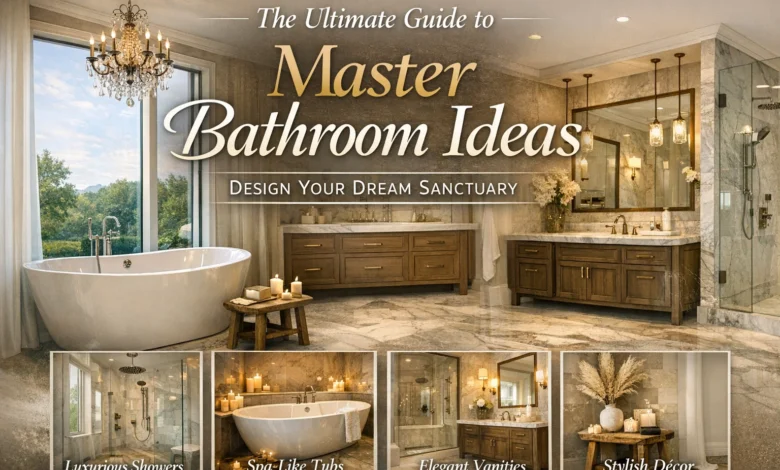
Master Bathroom Ideas: Let’s be honest—the master bathroom is no longer just a place to brush your teeth and dash out the door. It has evolved into the ultimate personal sanctuary, a quiet escape from the chaos of daily life, and surprisingly, one of the most valuable rooms in your home. Whether you are planning a full gut renovation or simply dreaming of upgrading a few key pieces, diving into the latest master bathroom ideas can feel both exhilarating and a little overwhelming. With so many styles, materials, and technologies available, where do you even begin?


The good news is that you don’t need a bottomless budget or a penthouse-sized footprint to create a space that feels luxurious and tailored to you. From the resurgence of warm, earthy tones to the integration of smart technology that anticipates your every need, the world of bathroom design is more exciting than ever. We have scoured the latest trends, talked to the experts, and curated a collection of inspiration that balances high-end aesthetics with practical, everyday functionality. Get ready to transform your daily routine into a spa-like ritual as we explore how to craft the perfect master bathroom retreat.
Setting the Foundation: Layout and Functionality
Before you fall in love with a specific tile or faucet finish, it is crucial to get the bones of the room right. A beautiful bathroom that doesn’t function well for your daily routine will quickly become a source of frustration. Thinking about the layout first ensures that your master bathroom ideas are not only stylish but also sustainable and practical for the long haul.
The Rise of the Wet Room Concept
One of the most liberating master bathroom ideas to emerge in recent years is the wet room. Originating from European design, a wet room is essentially a bathroom where the shower area is open and not separated by a door or a curb. The entire floor is waterproofed and slopes gently toward a linear drain, creating a seamless, expansive look.
This concept is fantastic for making a space feel larger and more luxurious. It eliminates the visual barrier of a shower door and allows for complete design freedom. You can have a rainfall showerhead on one wall and a handheld sprayer on another, all within the same open space. While it requires meticulous waterproofing during construction—making it a job for seasoned professionals—the result is a minimalist, spa-like aesthetic that is hard to beat. For those concerned about water splashing everywhere, strategic placement of the shower area and the use of a single glass panel can usually contain the spray effectively while maintaining that open feel.
Defining Zones: The Wet Area vs. The Dry Area
If a full wet room feels too drastic for your space, a more traditional approach involves clearly defining the “wet” and “dry” zones. This is one of the most practical master bathroom ideas for shared spaces. The wet zone is typically the shower or tub area, which is prone to splashing. The dry zone includes the vanities, the toilet, and any storage or seating areas.
Segregating these zones is essential for safety and longevity. Using a sleek, frameless glass enclosure for the shower keeps water contained while allowing your eye to travel across the room, making the space feel larger. In the dry zone, you can use materials like wood, wallpaper, and delicate lighting fixtures without fear of water damage. This separation also allows multiple people to use the bathroom simultaneously—one can be showering while the other is getting ready at the vanity, making mornings infinitely smoother.
Making a Splash with Space Planning
Regardless of the size of your master bathroom, smart space planning is key. For smaller master bathrooms, floating vanities are a game-changer. By mounting the vanity on the wall, you create a sense of openness as the floor space is visually uninterrupted. It also makes cleaning a breeze.
For larger spaces, consider the flow between fixtures. A common and highly effective layout places a freestanding tub near a window to become a focal point, with the walk-in shower positioned behind it or to the side. The toilet area deserves its own thought—often placed in a separate compartment or behind a half-wall for privacy. Remember to adhere to standard clearances; for instance, you want at least 30 inches of clear walking space in front of a vanity.
Quote: “A pocket door or a sliding barn door can reclaim precious swing space in a master bathroom and open up landing areas. I’ve converted several layouts where removing a swinging door made room for a longer vanity or a private toilet niche.” – Mason Reed Interiors.
Vanity Fair: Storage and Style
The vanity is often the workhorse of the bathroom. It provides essential storage and counter space while setting the visual tone for the entire room. Fortunately, today’s master bathroom ideas for vanities are incredibly diverse, blending furniture-like aesthetics with high-tech organization.
The Allure of the Double Vanity
If space allows, a double vanity is one of the most requested master bathroom ideas, and for good reason. It is the ultimate peacekeeper for couples sharing a space. Having two separate sinks, two mirrors, and designated counter space eliminates the morning bottleneck and gives each person their own territory.
Modern double vanities go beyond just two sinks. They often feature a spacious countertop with a tower of storage in the middle, providing ample drawers and cabinets for toiletries, towels, and styling tools. This setup keeps the countertops clutter-free, maintaining that clean, serene look. Whether you choose a furniture-style freestanding unit or a custom-built-in, the double vanity is an investment in both harmony and home value.
Floating Vanities: A Modern Essential
We touched on floating vanities for small spaces, but their appeal extends to larger bathrooms as well. They offer a sleek, contemporary look that feels weightless and modern. This style is a favorite in modern master bathroom ideas because it exposes more of the floor, which is particularly effective if you have invested in beautiful tile work you want to show off.
Beyond aesthetics, floating vanities offer practical benefits. They can be installed at a custom height to suit the users perfectly, and they often incorporate deep drawers rather than traditional cabinet doors, making it easier to access items stored at the back. Just be aware that installation requires the wall to be reinforced to support the weight, especially with heavy materials like stone countertops.
Storage Solutions That Hide the Clutter
No matter how beautiful your vanity is, clutter will undermine the tranquility of your space. Innovative storage is therefore a cornerstone of successful master bathroom ideas. Look beyond basic cabinets and explore built-in organizers.
Deep drawers are superior to cupboards for storing everyday items. They allow you to see everything at a glance, especially if you add dividers for makeup, hair tools, and grooming kits. Recessed medicine cabinets are another fantastic trick; they provide storage without encroaching on floor space and can be finished to blend seamlessly into the wall.
For a touch of luxury and accessibility, consider adding dedicated outlets inside a drawer to create a hidden charging station for hairdryers and electric toothbrushes. In the shower, recessed niches are non-negotiable for keeping shampoos and soaps organized and off the floor. These thoughtful details transform a bathroom from merely functional to exceptionally user-friendly.
Tile and Texture: The Fabric of Your Design
Tile is to a bathroom what fabric is to a gown—it dictates the color, texture, and overall mood. It is one of the most permanent decisions you will make, so exploring master bathroom ideas for tile is a journey that should be taken with both creativity and caution.
Bold Statements with Pattern and Color
While all-white bathrooms have long been a staple for their clean and crisp look, the tide is turning towards more expressive choices. A wave of new master bathroom ideas encourages homeowners to embrace bold patterns and colors. Instead of tiling the entire room in a neutral shade, consider creating a focal point.
This could be a geometric-patterned tile on the floor, a herringbone layout for the shower walls, or a floor-to-ceiling accent wall behind the vanity using vibrant, artisanal Zellige tiles. These handmade tiles, with their slight imperfections and rich color variations, add incredible depth and a handcrafted feel that mass-produced tiles cannot replicate. If you are hesitant to commit to a loud pattern, use it in a smaller space like a shower niche or the back of a vanity cutout for a pop of surprise.
The Texture Revolution
In 2026, texture is taking center stage. The focus is shifting from bold color contrasts to subtle, tactile experiences. This is where master bathroom ideas get really interesting. Think honed finishes instead of high-gloss polish, and matte surfaces instead of shiny ones.
Materials like limewash paint on walls, fluted wood on vanity fronts, and three-dimensional stone or porcelain tiles add a layer of sensory richness. These textures play with light and shadow throughout the day, keeping the space feeling dynamic yet calm. In the shower, large-format porcelain slabs with a concrete or stone-like texture are becoming popular, as they minimize grout lines for a cleaner, more seamless look and feel.
Natural Materials for an Organic Feel
The desire to connect with nature, often called biophilic design, is a powerful force in contemporary master bathroom ideas. This translates into a heavy use of natural materials. Marble remains a timeless classic, with its elegant veining adding a sense of luxury that is hard to match.
However, for those seeking a warmer, more organic feel, materials like travertine, limestone, and wood-look porcelain are gaining ground. Pairing these stone elements with warm wood vanities or teak shower benches creates a balanced, earthy sanctuary. Even metal finishes are following this trend, with champagne bronze and aged brass offering softer, more natural alternatives to polished chrome or nickel.
| Material | Aesthetic Vibe | Maintenance Level | Best Use Case |
| Carrara Marble | Classic, Elegant, Bright | High (requires sealing) | Vanity tops, shower walls, floors |
| Large-Format Porcelain | Modern, Seamless, Sleek | Low | Shower walls, floors (minimal grout) |
| Handmade Zellige | Artisanal, Textured, Warm | Medium (may need sealing) | Accent walls, shower niches, backsplashes |
| Wood-Look Tile | Rustic, Warm, Organic | Low | Floors, shower floors (with good slip rating) |
| Limestone/Travertine | Earthy, Natural, Timeless | High (requires sealing) | Floors, walls, tub surrounds |
Fixtures and Finishes: The Jewelry of the Room
If tile is the fabric, then fixtures are the jewelry. Faucets, showerheads, and hardware are the details you touch every day. Updating these elements is one of the most impactful master bathroom ideas because they act as the exclamation points on your design.
Mixing Metals with Confidence
The days of matching every metal finish in the room are happily behind us. Today, intentional mixing is a hallmark of a well-designed space. It adds depth, personality, and a collected-over-time look that feels much more curated than a showroom.
The key to successful mixing is balance. A common strategy is to choose one dominant finish and one or two accent finishes. For instance, you might have brushed brass faucets and cabinet hardware (dominant), with a matte black shower frame and light fixtures (accent). To make the mix look intentional, repeat each finish at least twice in the room. So, if you have brass faucets, also incorporate brass in the mirror frame or the sconces. This creates a visual rhythm that ties the whole scheme together.
The Gold Rush and Warm Metallics
While chrome and nickel remain popular for their versatility, there has been a significant shift toward warmer finishes in recent master bathroom ideas. Gold, in its various forms, is experiencing a renaissance. From polished gold for a glamorous look to brushed gold for something more subdued, this finish adds instant warmth and luxury.
“Champagne tones are fizzing right now,” says Noel Lawlor of California Faucets, noting their sophisticated rose undertones offer a contemporary twist on classic elegance. Similarly, rich bronze and matte black finishes are being used to create dramatic, high-contrast looks, especially against light-colored walls and cabinetry. These finishes ground the space and give it a modern, architectural edge.
High-Tech and Touchless Faucets
Technology is making its way into every corner of the home, and the bathroom is no exception. Smart master bathroom ideas now include faucets with touchless activation, which is not only a hygiene bonus but also adds a layer of futuristic convenience.
Imagine waving a hand to start the water flow when your hands are covered in paint or sticky from a face mask. These faucets are also being integrated with smart home systems, allowing you to preset water temperatures and even control the flow with voice commands. Beyond faucets, digital shower systems let you program your perfect shower—temperature, water pressure, and even steam settings—with the touch of a button, ensuring your sanctuary is ready for you exactly when you are.
Lighting and Ambiance: Setting the Mood
Lighting can make or break a bathroom. It is responsible for both critical tasks, like applying makeup or shaving, and for creating the soothing ambiance needed for a long soak in the tub. Layering different types of light is the secret sauce in professional master bathroom ideas.
The Power of Layered Lighting
Relying on a single overhead light fixture is the fastest way to make a bathroom feel flat and uninviting. Layered lighting involves combining ambient, task, and accent lighting to create a flexible and flattering environment.
Ambient lighting is the general illumination, often provided by recessed can lights or a central flush-mount fixture. Task lighting is focused on specific areas, with the vanity being the most critical. Accent lighting is used to highlight architectural features, such as a piece of art, a textured tile wall, or the inside of a shower niche.
The magic happens when these layers are placed on dimmers. Being able to lower the light levels transforms the room from a bright, functional workspace in the morning to a soft, glowing retreat in the evening. Dimmers are perhaps the most cost-effective luxury item you can install.
Vanity Lighting: The Art of Flattery
Vanity lighting is arguably the most important lighting in the house. Poorly placed lighting can cast unflattering shadows on your face, making daily grooming a challenge. The best master bathroom ideas place lighting strategically to eliminate these shadows.
The gold standard is to place vertical sconces on either side of the mirror at about eye level (roughly 60 to 70 inches from the floor). This lights the face evenly from both sides. If you have a large double vanity with a single large mirror, consider flanking it with two pairs of sconces or using two pendants or lanterns that hang down on either side of each sink area. A backlit or LED-integrated mirror is another excellent option, providing a halo of soft, even light that is perfect for detailed tasks and adds a modern, ethereal glow.
Creating Drama with Accent and Natural Light
Never underestimate the power of natural light. If your layout allows, maximize it with windows or skylights. Frosted or textured glass can provide privacy while still letting in abundant daylight, which is essential for mental well-being and making the space feel fresh and clean.
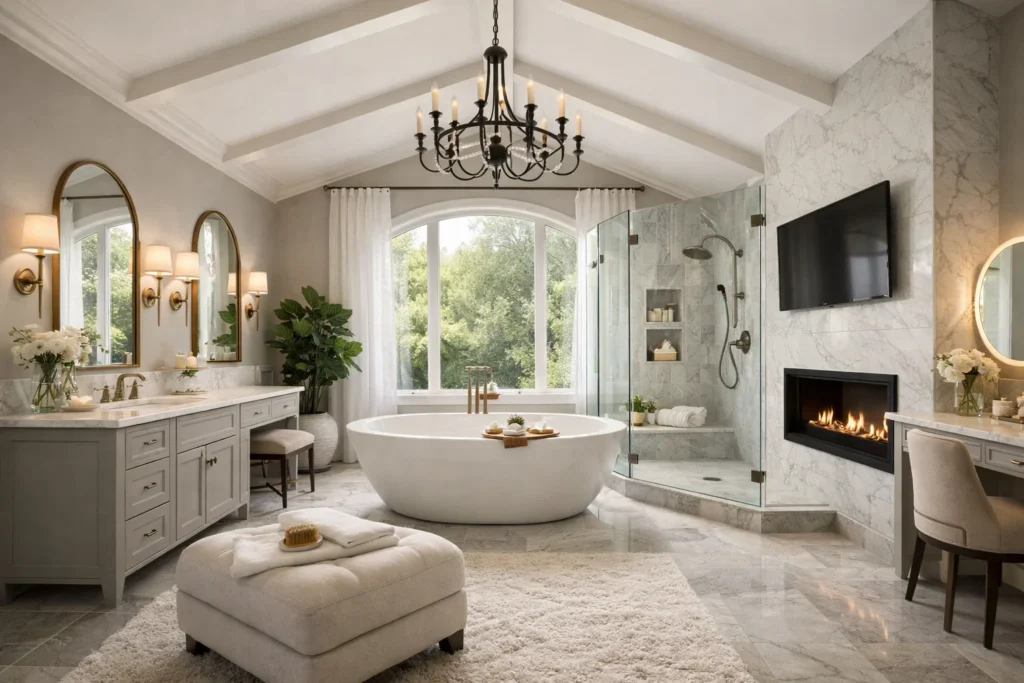
For the evening, accent lighting takes over. Think LED strip lighting underneath a floating vanity to make it appear to hover, or a small, dimmable spot aimed at a beautiful piece of art or a unique plant. If you have a freestanding tub, consider a small chandelier or a sculptural pendant hung directly above it. This creates a gorgeous focal point and turns a simple bath into an event.
The Spa-Like Experience: Showers and Tubs
At the heart of any luxurious master bathroom is the promise of relaxation and rejuvenation. This is where the “sanctuary” aspect truly comes to life, and the choices you make for your shower and tub are paramount. The most compelling master bathroom ideas focus on turning these utilitarian elements into experiential highlights.
Walk-In Showers: Seamless and Luxurious
The walk-in shower has cemented its place as a staple of modern design. Its appeal lies in its seamless, barrier-free entry, which is not only stylish but also enhances accessibility for all ages and abilities. To elevate a standard walk-in shower into a luxury experience, consider the details.
Frameless glass enclosures are a must for maintaining an open, unobstructed view of the beautiful tile work inside. Inside the shower, the experience can be customized with a combination of shower heads. A large overhead rainfall showerhead mimics the feeling of standing in a warm summer rain, while a handheld sprayer offers flexibility for rinsing and cleaning. For the ultimate indulgence, adding a few body sprays on the wall can create a customized hydrotherapy experience. Don’t forget a built-in bench or a corner seat—it adds a touch of spa comfort and is incredibly practical for grooming tasks.
The Freestanding Tub as a Sculptural Centerpiece
If a walk-in shower is about efficiency and sleekness, a freestanding tub is about pure indulgence. In many master bathroom ideas, the tub is no longer pushed against a wall; it is celebrated. Placed in the center of the room, beneath a window, or under a statement chandelier, it becomes a sculptural work of art.
The materials for these tubs are evolving. While classic acrylic and porcelain are still common, stone resin and solid surface materials are becoming the darlings of the luxury market. These materials have a weighty, matte, stone-like feel that is warm to the touch and incredibly durable. They come in organic shapes—from soft ovals to geometric rectangles—that anchor the room with a sense of quiet strength. Whether you prefer the clean lines of a modern soaking tub or the nostalgic charm of a slipper tub, this fixture is an investment in daily tranquility.
Merging Form and Function with Tub Surrounds
A beautiful tub needs a beautiful setting. This has led to a rise in custom tub surrounds in recent master bathroom ideas. Instead of just placing a tub on the floor, designers are building it into a platform or deck.
This could be a low, marble-clad platform that elevates the tub, making it easier to step into and creating a dedicated zone for it. Or it could be a full surround made of teak wood, providing a warm, water-resistant surface for candles, books, and a glass of wine. These surrounds not only enhance the luxury look but also add practicality by creating valuable ledge space in what is often an otherwise unused area around the tub.
Color and Decor: Personality and Polish
Once the large elements are in place, it is time to infuse the room with personality. Color palettes and decor are the finishing touches that make the space feel like yours. The best master bathroom ideas here are those that create a cohesive story from the floor up.
The Shift to Warm and Earthy Tones
The all-white bathroom is making room for warmer, more inviting hues. In 2026, color is shifting towards nature-inspired palettes. Think soft greiges, warm beiges, and creamy off-whites on the walls.
For those wanting more color, muted shades are the way to go. Sage greens evoke a sense of organic serenity, while powder blues create a soft, coastal calm. For a bolder statement, rich “chocolate” browns are emerging as a new neutral, adding incredible depth and a retro-chic warmth that feels surprisingly modern. These colors create a cocooning effect, making the large room feel more intimate and personal rather than clinical.
Mirrors: More Than a Reflection
A mirror is the jewelry of the bathroom wall. Moving beyond the basic contractor-grade rectangle, statement mirrors can define the style of the space. In master bathroom ideas, the mirror is an opportunity to break up the hard surfaces and add a touch of artistry.
For a double vanity, consider using two individual mirrors instead of one long one. This reinforces the idea of separate zones. The shapes are getting more creative, too. Round mirrors are perennially popular for softening the hard lines of a rectangular vanity, while arched mirrors or those with curved edges add a touch of softness and architectural interest. Frames are equally important; a thin brass frame adds a touch of elegance, while a thick, natural wood frame brings warmth and an organic feel.
Bringing It to Life with Greenery and Textiles
A bathroom isn’t truly a retreat until it feels lived-in and loved. This is where the final layer of decor comes in. Plants are a must-have in modern master bathroom ideas. Many plants thrive in the humid, warm environment of a bathroom. Ferns, orchids, snake plants, and pothos not only purify the air but also add a vibrant pop of living green that softens the stone and tile.
Textiles play a huge role in comfort. Swap out standard towels for plush, oversized bath sheets in neutral tones that complement your palette. Add a cozy, washable bath mat in a natural fiber like bamboo or a soft, textured cotton. Finally, add personal touches: a beautiful tray on the counter to corral daily products, a few favorite candles for evening soaks, and perhaps a small piece of art that is rated for humidity. These details transform a designed space into a personal sanctuary.
Frequently Asked Questions About Master Bathroom Ideas
Q: What is the most popular trend for master bathrooms in 2026?
A: The biggest trend is the shift toward warmth and organic texture. This means moving away from cool, all-white schemes and incorporating warm wood vanities, earthy tones like sage green and terracotta, and textured finishes like brushed bronze fixtures and honed natural stone. Creating a spa-like feel with a focus on wellness and natural materials is the overarching theme.
Q: How can I make my small master bathroom look bigger?
A: Several design tricks can visually expand a small master bathroom. Install a large floating vanity to open up floor space and use a large-format tile on floors and walls to minimize grout lines, which can make a space feel chopped up. A frameless glass shower enclosure instead of a curtain will allow the eye to travel further, and a large mirror will reflect light and double the visual space. Keeping the color palette light and neutral also helps.
Q: Is it better to have a bathtub or a walk-in shower in a master bathroom?
A: This depends entirely on your lifestyle. If you love to soak and relax, a freestanding tub is a wonderful luxury. For daily convenience, accessibility, and a sleek, modern look, a spacious walk-in shower is often more practical. Many homeowners are opting for both, creating a dedicated wet zone with a separate tub and shower. If space is limited, consider a luxurious shower with a built-in bench for a touch of spa-like relaxation.
Q: Should I mix metal finishes in my master bathroom?
A: Absolutely! Mixing metals is a sign of a curated, professional design. The key is to do it intentionally. Choose two or three finishes (like brushed brass and matte black) and use them consistently. For a cohesive look, repeat each finish at least two or three times throughout the space—for example, brass on faucets and mirror frames, and black on shower fixtures and towel bars.
Q: What is the best flooring for a master bathroom?
A: The best flooring is durable, water-resistant, and aesthetically pleasing. Large-format porcelain or ceramic tiles are excellent choices because they are waterproof, easy to maintain, and come in endless styles that mimic wood or stone. Natural stone, like marble or limestone, is incredibly beautiful but requires more maintenance, including regular sealing. Heated floors are a popular addition that adds a tremendous amount of comfort and luxury under any tile flooring.
Conclusion
Designing the perfect master bathroom is a deeply personal journey. It is about blending the latest innovations with your unique habits and aesthetic preferences to create a space that serves you for years to come. From the foundational elements of a well-planned layout to the final touch of a carefully placed candle, every decision is a step toward building your own private oasis. Whether you are drawn to the serene simplicity of a minimalist wet room or the bold expression of mixed metals and patterned tiles, the most important thing is that your master bathroom feels like a true reflection of you—a place where you can retreat, recharge, and emerge ready to face the world. So go ahead, dream big, and start planning the sanctuary you deserve.